Artist Operations

Music business management software for artists.

So, Indie gives independent artists one connected place to run releases, campaigns, royalties, publishing work, fan growth, merch, and the decisions that keep the business around the music moving.

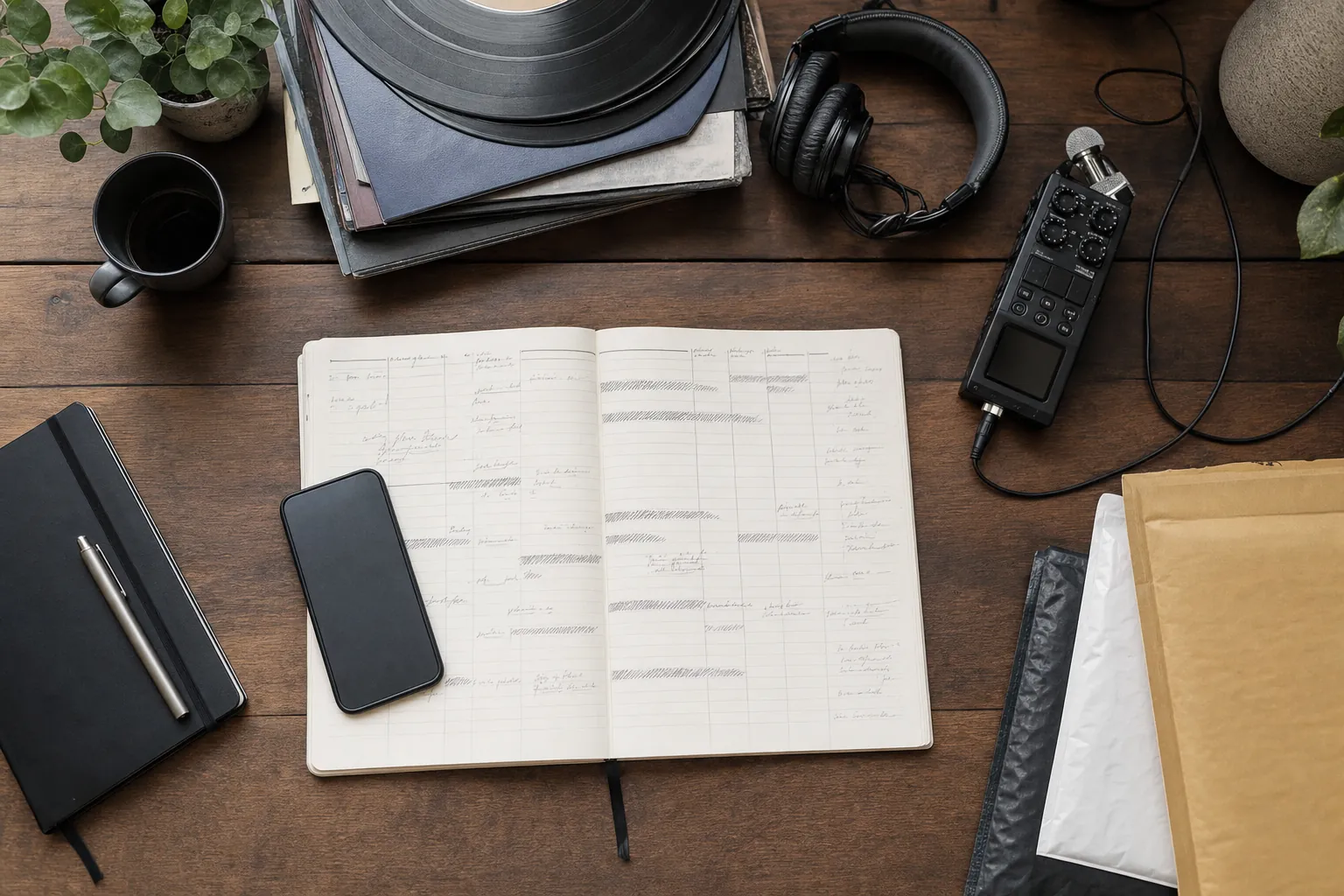
Independent artist workspace with a release calendar, royalty paperwork, studio equipment, and merch
1connected workspace for the work around every release.
200+platform distribution available on Pro Creator.
100%streaming royalty retention on Pro Creator.
60days in the Pro Creator trial to build a stronger operating rhythm.

Decision Framework

Give the important artist-business questions one place to land.

The work around a release becomes more manageable when an artist can move from a question to a useful next action without piecing the answer together from separate tabs and old messages.

  • What is actually due next?A release can stall because a small detail is missing: final metadata, an asset, a collaborator approval, a platform task, a pre-save destination, or the campaign plan that should already be in motion. A connected operating view gives the artist a practical place to spot the work before it turns into a release-week emergency.
  • What deserves time and budget?Not every task has the same value. When the release goal, audience action, creative work, and spending are visible together, artists can decide whether the next hour belongs in a performance clip, a listener follow-up, a campaign test, a merch idea, or a job that protects the release itself.
  • What did the campaign create?Reach by itself is not a business answer. Artists need to see whether the campaign created saves, follows, direct fan activity, ticket or merch interest, royalty movement, or a clearer picture of which channel connected with the right listeners. That makes the review useful instead of purely retrospective.
  • What should carry into the next release?A stronger operation does not mean repeating the same release plan forever. It means keeping the useful lessons close enough to act on: the creative that worked, the audience response worth following, the money signals that mattered, and the rights or release tasks that need a better process next time.

The Operating Loop

Make the next move without reopening five different tools.

The point is not to add another dashboard. It is to give an artist a practical working picture of what is happening around the music, what needs attention, and what the last release made possible.

  • Plan the releaseKeep the catalog details, release date, pre-save path, asset list, and campaign deadlines in view before launch week begins.
  • Run the campaignConnect creative work, audience tasks, spending decisions, social activity, and release-day actions to one practical campaign plan.
  • Read the moneyPut royalty movement, direct fan activity, merch, and campaign spending in context instead of treating each statement or receipt as a separate story.
  • Carry the lesson forwardUse what the last release taught you to shape the next one, protect the work around it, and keep the artist operation moving.

Why It Matters

Run the business around the music without losing the thread.

Independent artists do not need to operate like a large label. They need enough clarity to keep a release, campaign, money, rights work, and fan relationship pointed in the same direction.

The release is not just a delivery date

A track can be distributed on time and still arrive without a working campaign, a clear listener path, finished assets, or a follow-up plan. Music business management starts before the song goes live and keeps going after release week. So, Indie gives the release a home beside the promotion, money, rights work, and fan activity it creates.

A small team still needs one source of truth

Most independent artists are managing a mix of collaborators, tools, files, messages, and deadlines. That does not require label-sized bureaucracy. It does require a place where the important decisions are visible together, so the next action does not disappear into a note, a spreadsheet, or somebody's inbox.

The business should help the creative work

Good operations do not turn an artist into an administrator. They reduce the scramble around the music. When the release calendar, campaign priorities, money signals, and fan follow-up are easier to see, the artist can spend more time making decisions that support the work rather than reconstructing what happened last time.

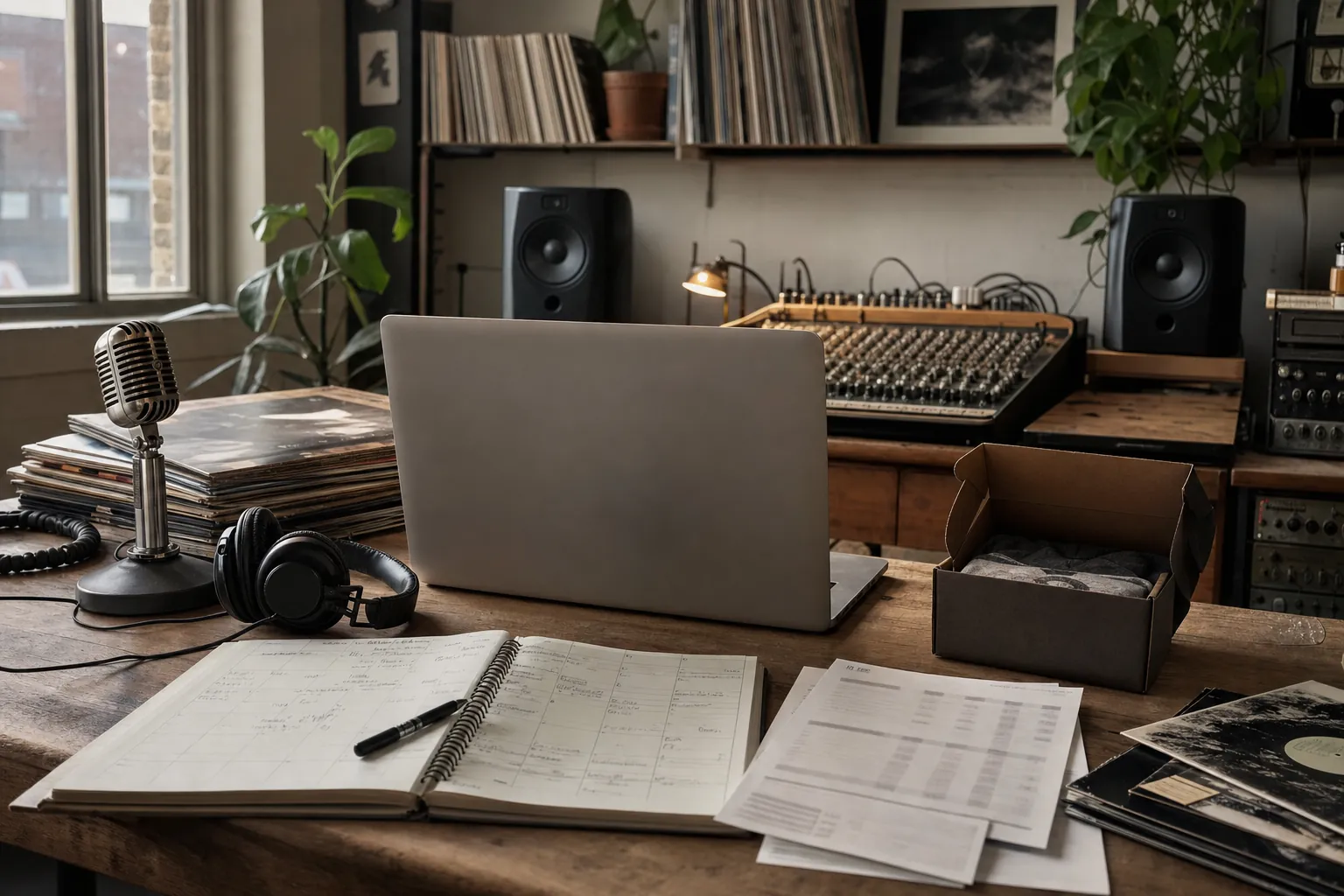
Overhead independent artist workspace with a release timeline, recording equipment, vinyl records, and merchandise mailers

Built For The Whole Picture

Keep the creative work and business work close enough to inform each other.

A release plan is stronger when the campaign knows the date, the fan path knows the story, the spending has a purpose, and the money can be read beside the work that led to it. So, Indie brings those decisions together without asking artists to turn their career into an administrative project.

That means an artist can prepare the next release, coordinate the creative and promotional work, see the resulting activity, and decide what is worth repeating. The business becomes easier to run because it is connected to the music, not because it is buried under more process.

What It Connects

Start with the part of the artist business that needs more control.

Each part works on its own, but the real value comes from seeing how the release, campaign, income, and fan response affect the next decision.

Release operations

Prepare the information and timing around a release: distribution status, platform readiness, pre-saves, calendars, supporting assets, and the work that needs to happen before the track reaches listeners.

Explore music distribution services

Campaign management

Turn a release idea into a clearer plan for creative, channels, audience work, budget pacing, measurement, and the next action you want listeners to take.

Explore music marketing tools

Royalty and revenue visibility

Keep royalty statements, payouts, campaign spending, fan revenue, and direct business activity closer to the release decisions that produced them.

Explore royalty management software

A More Useful Release Cycle

Let every release leave the operation clearer than it found it.

Artists can use the release operating system to organize the timing and essentials around a launch, then keep that plan connected to the campaign, money, fan activity, and follow-up work inside So, Indie.

The result is not a promise that every release will perform the same way. It is a better way to understand the work, see what changed, and make the next round of decisions with context instead of memory alone.

  • BeforeBring the release date, assets, promotion plan, delivery work, and artist priorities into a usable sequence.
  • DuringKeep campaign activity, audience actions, creative work, and spending decisions visible as the release meets listeners.
  • AfterReview royalties, fan activity, merch, rights follow-up, and the campaign lessons that should shape the next cycle.

Frequently Asked Questions

What is music business management software?

Music business management software helps an artist keep the work around the music organized, including releases, campaigns, money, rights, direct fan activity, deadlines, and the decisions that connect those jobs.

Is this only for labels or managers?

No. So, Indie is built for independent artists who need a clearer operating view as they release more music, work with collaborators, run campaigns, and build a direct relationship with listeners.

Does So, Indie replace a distributor, publisher, or accountant?

No. Those partners and services still have their own roles. So, Indie gives the artist a connected place to organize the release, campaign, royalty, publishing, fan-growth, and operational work that sits around them.

Can I use the platform before my releases are generating much income?

Yes. Building a working release and campaign rhythm early makes it easier to keep the important details visible before the catalog, spending, and royalty history become difficult to manage across separate tools.

How does this help after release day?

The platform helps artists compare the campaign, revenue signals, fan actions, and outstanding rights or follow-up work, then carry those lessons into the next release instead of beginning from scratch.

Start

Run the artist business from a clearer place.

Start the free trial and connect releases, campaigns, royalty visibility, publishing work, fan growth, merch, and the next decision in one working system.