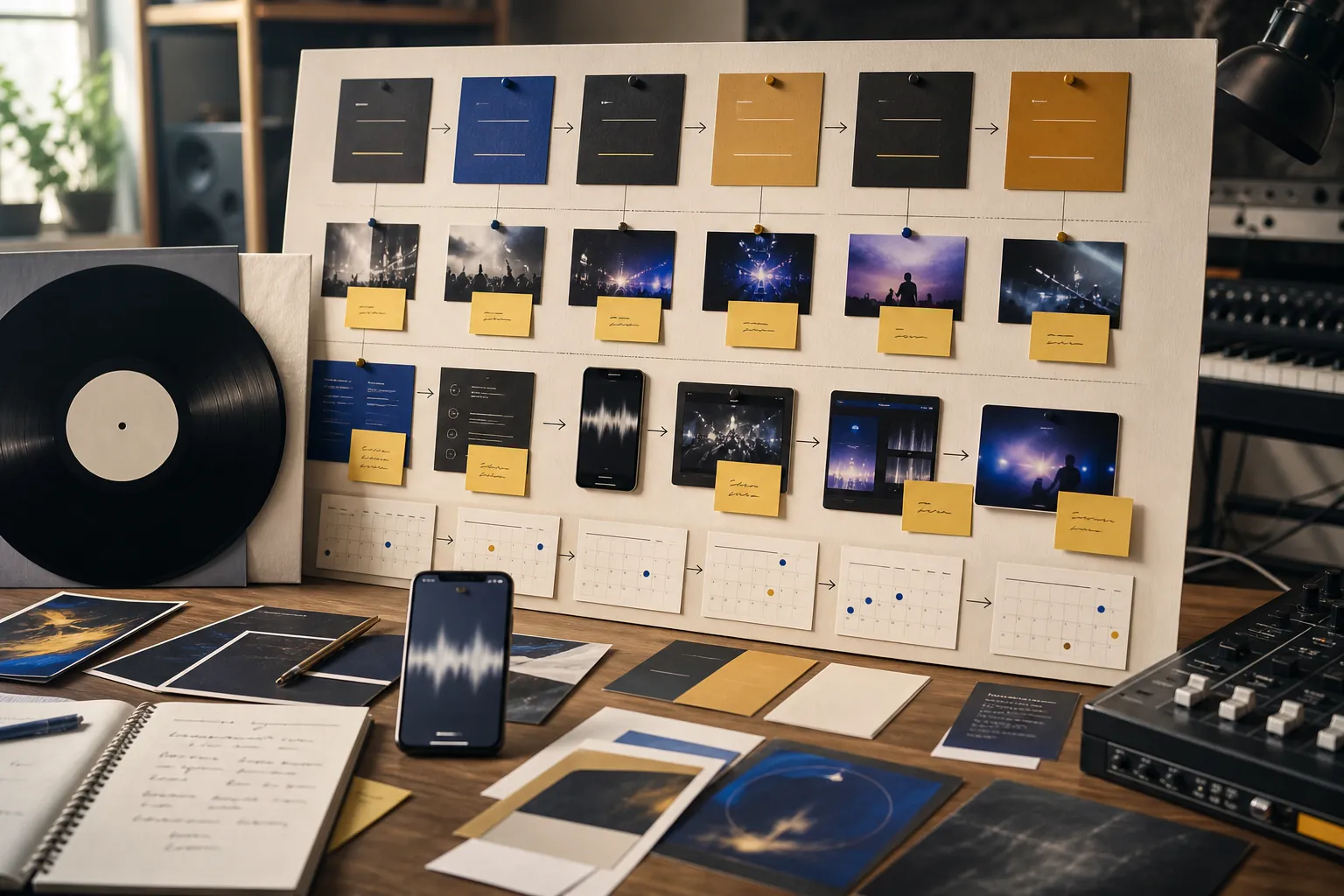

A music marketing plan is not a pile of posts you hope will turn into a career. It is a practical decision about what the next release needs to accomplish, who should care, how they will find it, and what they should do after they listen. For an independent artist, that structure matters because the same person is often creating the music, coordinating the release, making content, booking shows, answering fans, and watching the money.
This guide gives you a 90-day framework that is sturdy enough to run around a single, EP, album, show, or merch moment. You do not need every channel. You need a clear goal, a repeatable story, a calendar you can keep, and a way to learn from the result.
What a useful music marketing plan actually does
A good plan makes tradeoffs before the release gets loud. It tells you what deserves time, what can wait, and what success would look like. That keeps you from treating every metric as equally important or trying to be everywhere at once.
Start by writing one sentence: “Over the next 90 days, this project needs to ______.” Fill the blank with a real business outcome, not a vague wish. Examples include building a mailing list before an EP, increasing saves for a focus track, selling tickets in two cities, moving a merch drop, or giving new listeners a reason to explore a wider catalog.
Then choose two supporting signals. If the main goal is ticket interest, supporting signals might be local email signups and visits to the event page. If the goal is stronger streaming intent, the supporting signals might be saves and follows. The point is not to pretend a career is simple. It is to give the next campaign a job.
1. Build the plan around a 90-day window
Ninety days is long enough to prepare the release, earn attention before it arrives, keep momentum after release day, and review what happened without drifting into an endless planning exercise. Divide the window into three acts: preparation, release, and follow-through.
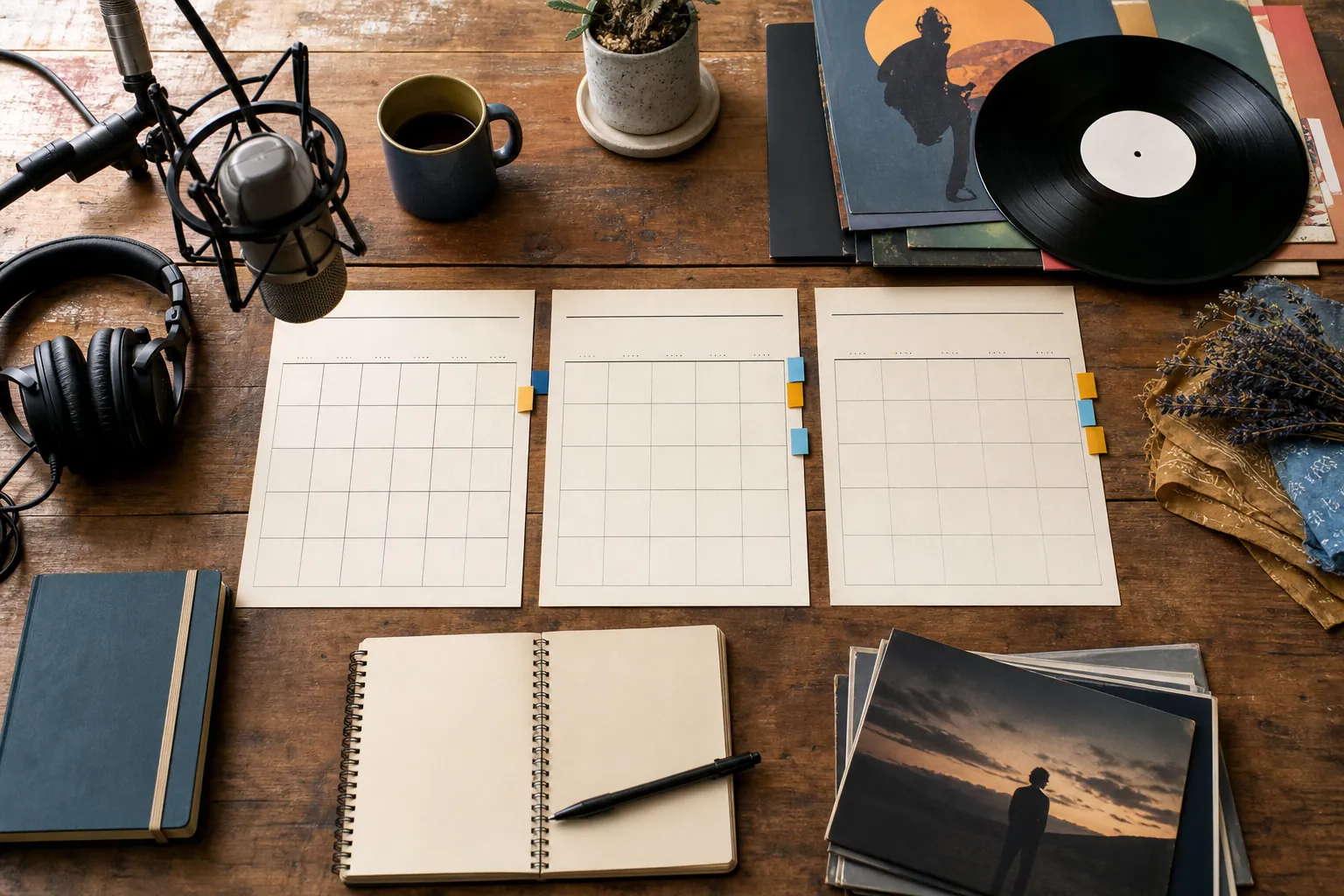
In the first 30 days, make the release easy to understand and easy to act on. Lock the date, the main story, the visual direction, the artist-profile updates, the release link, the assets, and the key collaborators. Build the campaign from a dependable release base with the platform's distribution and release workflows, not from a last-minute file upload.
In the next 30 days, create anticipation. Test a few content angles, give existing fans a reason to pay attention, and make the release discoverable where people already listen. Spotify's new release checklist says artists should pitch the focus track at least two weeks before release, alongside the story, sound, and playlist fit. That is a good example of why planning starts before release week.
In the final 30 days, release the music, keep finding fresh angles, and turn attention into a next step. Do not go silent after day one. YouTube for Artists separates useful work into pre-release, release-day, and post-release resources, which reflects the real rhythm of a campaign: each stage has a different job.
2. Decide whose attention matters most
“Everyone who likes music” is not an audience. You are not excluding people by getting specific; you are making it easier for the right people to recognise themselves in the release. Think about the listeners who are already closest to the work, the adjacent artists they follow, the scenes or cities where the music lands, and the moment in someone's life where the song makes sense.
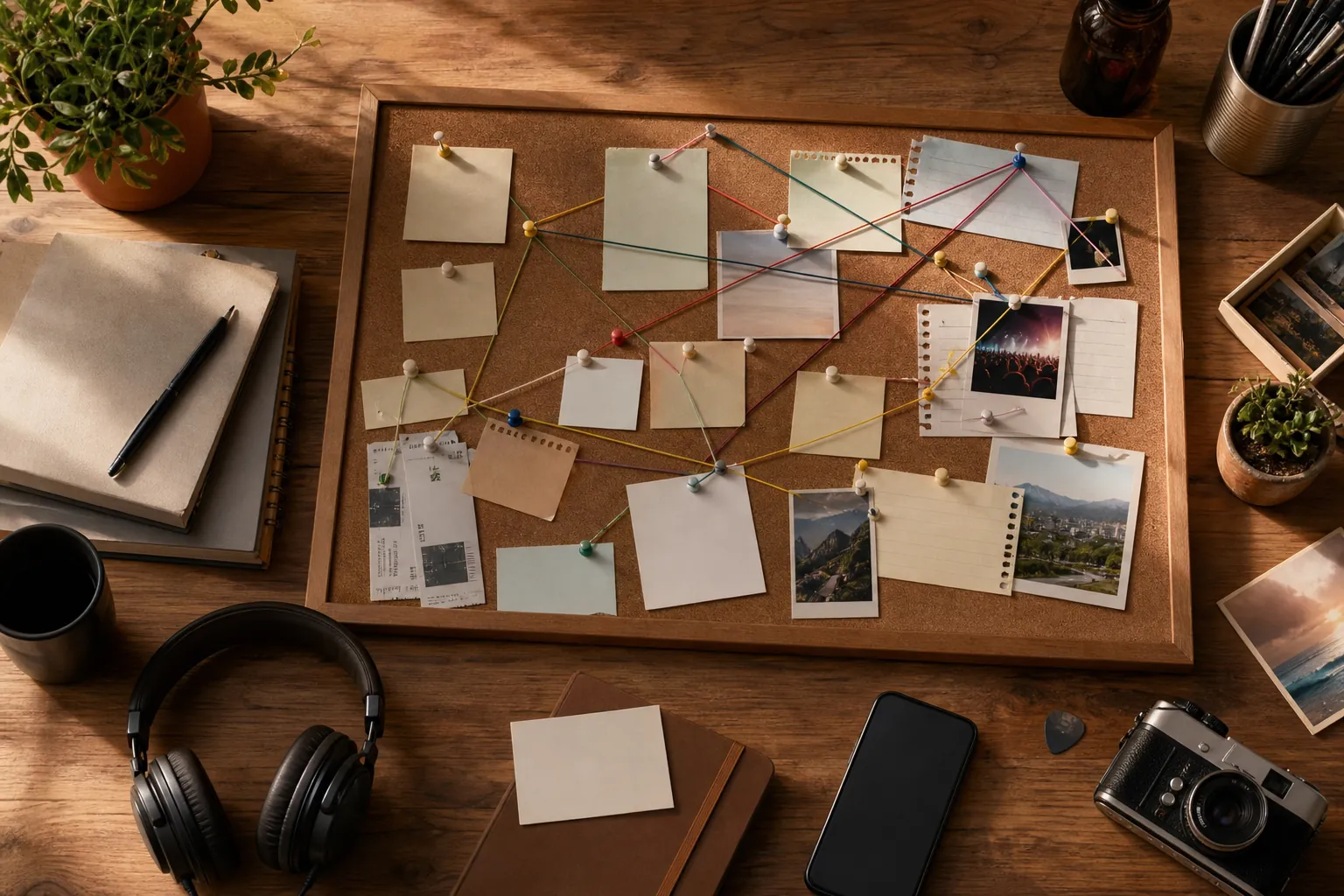
Write a short audience brief in plain language. For example: “Listeners who found the last single through late-night electronic playlists and who respond to intimate performance clips.” Or: “Local fans who know the live set and need a clear reason to bring a friend to the next show.” This is more useful than a generic age range because it changes what you make and where you put it.
Your audience brief should answer four questions: what they already care about, where they currently find music, what proof makes them trust an artist, and what next action is realistic. That may lead to short video and a save for new listeners, an email for warm fans, or a show date and merch offer for a local community. So, Indie's fan growth tools are built for this second part: giving attention somewhere useful to go after the first listen.
3. Give the release one story people can repeat
Every project needs a simple human frame. Not a made-up persona and not a press-release paragraph. A sentence someone can remember. It may be the emotional tension in the song, the change in your sound, the place that shaped it, the live moment around it, or the reason this release matters now.
Try writing three versions: one for a first-time listener, one for someone who already follows you, and one for a collaborator or tastemaker. If the core idea still holds, you have a usable campaign story. It should guide the visual mood, captions, performance clips, artist bio update, outreach, and the one thing you ask people to do.
Strong stories are specific enough to be recognisable but open enough for listeners to bring their own life into them. “A song about the version of yourself that only appears after midnight” is more memorable than “new music out now.” You still need the release date and link, but the story gives those details a reason to matter.
4. Assign every channel a job
The most common marketing mistake is letting every channel do the same thing. A short video, a streaming profile, an email, a show poster, and a merch page should not all be interchangeable release announcements. Each can move the listener one stage further.
Use discovery channels to make new people curious. Use artist profiles and release links to make listening frictionless. Use email, community, and direct fan channels to give existing supporters a more personal invitation. Use live shows and collaborations to create proof that the music has a home outside a feed. Use merch, tickets, and memberships when the campaign naturally calls for a purchase or commitment.
Keep the plan lean. Pick one primary discovery channel, one conversion path, and one direct relationship channel. For example: short performance clips can create discovery, a focused streaming link can earn the first listen, and an email list can invite the listener deeper. The platform's marketing tools and release operating system give that work a shared place instead of leaving the campaign split across random notes and tabs.
5. Turn the plan into a one-page campaign brief
Before you fill a calendar, make a one-page brief that anyone helping with the release can understand. Put the release name and date at the top. Under that, write the goal, the audience brief, the campaign story, the primary listener action, the main channels, the assets needed, the owner for each task, and the small set of numbers you will review later.
This brief prevents the usual independent-artist chaos: a designer waiting for a direction, a collaborator not knowing what to share, a show announcement appearing before the ticket link is ready, or an email getting drafted from scratch on release morning. It also protects your time. When a new idea appears, you can judge it against the plan instead of abandoning the plan for every new idea.
Keep the asset list practical. Most campaigns need cover art in the right sizes, a focused release link, a current bio, a handful of stills, a few short video clips, a live or studio moment, the written story behind the song, and the relevant ticket or merch destination. Make one strong source file, then adapt it carefully across channels. Repetition is useful when the central idea stays recognisable; it becomes exhausting only when every post says the exact same thing.
Give collaborators a specific ask, too. “Please share my song” creates too much work. “Share this 15-second clip on Thursday and send people to the release link” gives a collaborator a clear way to help. The same principle applies to your own posts: one message, one action, one reason the listener should care.
6. Plan the campaign in three simple phases
The preparation phase is for readiness, not noise. Confirm the metadata, distribution date, artist images, bio, links, cover art, short-form clips, press assets, collaborator responsibilities, and the one action each important channel should support. If the basics are unstable, marketing only sends more people toward a messy experience.
The release phase is for concentration. Choose the best creative angle, make the link obvious, ask for one action, and respond to the people who show up. A release can be a chance to invite saves, follows, shares, replies, email signups, ticket clicks, or merch visits. It does not need every action in every post.
The follow-through phase is where an artist turns a drop into a body of work. Pull out the strongest audience reactions, live versions, lyric moments, behind-the-scenes details, collaborator stories, and performance clips. Spotify's release reflection guide encourages artists to review what worked and what they will change next time. That review should be part of the calendar, not something you remember only when the next single is already due.
7. Set a budget that can teach you something
A small budget can be useful when it is attached to a clear test. A large budget cannot rescue a confusing offer, an unfinished artist profile, or a weak creative angle. Before you spend, make sure the release link works, the next action is clear, and you have enough organic content to learn what people respond to.
Give each spend a job: reach new listeners, re-engage people who already know the work, sell tickets, move merch, or promote a catalog track around a new release. Track the creative, audience, channel, spend, and outcome together. If you cannot say what the spend was meant to do, it will be hard to decide whether it was worth repeating.
Protect the plan from artificial growth promises. Guaranteed streams, suspicious playlist placements, and cheap volume can leave you with distorted numbers and no real audience relationship. A smaller group of listeners who save, follow, reply, buy, or return is more useful than a larger number that never becomes a fan base.
8. Finish with a scorecard, not a shrug
Review the campaign after the first week and again after the first month. Keep the scorecard short enough that you will use it. Record the goal, the two supporting signals, the best-performing content angle, the strongest traffic source, the best audience action, the money signal, and one lesson for the next release.

Look for patterns instead of vanity totals. Did a live clip earn more saves than polished artwork? Did a collaborator's audience bring newsletter signups? Did one city click tickets without buying? Did a release drive new listeners but no repeat listening? Those observations tell you what to test next.
This is where a connected operating view matters. When campaign activity, fan actions, merch, and royalties live in separate places, the artist has to reconstruct the story after the fact. So, Indie's royalty visibility connects the money side to the campaign side, while the wider artist operating system keeps releases, marketing, rights, and fan growth in the same working picture.
How So, Indie helps
So, Indie is designed for the work around the music, not just the moment the track goes live. Artists can connect release planning, distribution, campaign work, fan growth, merch, publishing, and royalties so the next decision has context.
Use the plan in this guide as the structure, then use So, Indie to keep the moving parts visible. Artists can explore the music distribution services overview, compare the available plans, or start a free trial when they are ready to put the system to work.