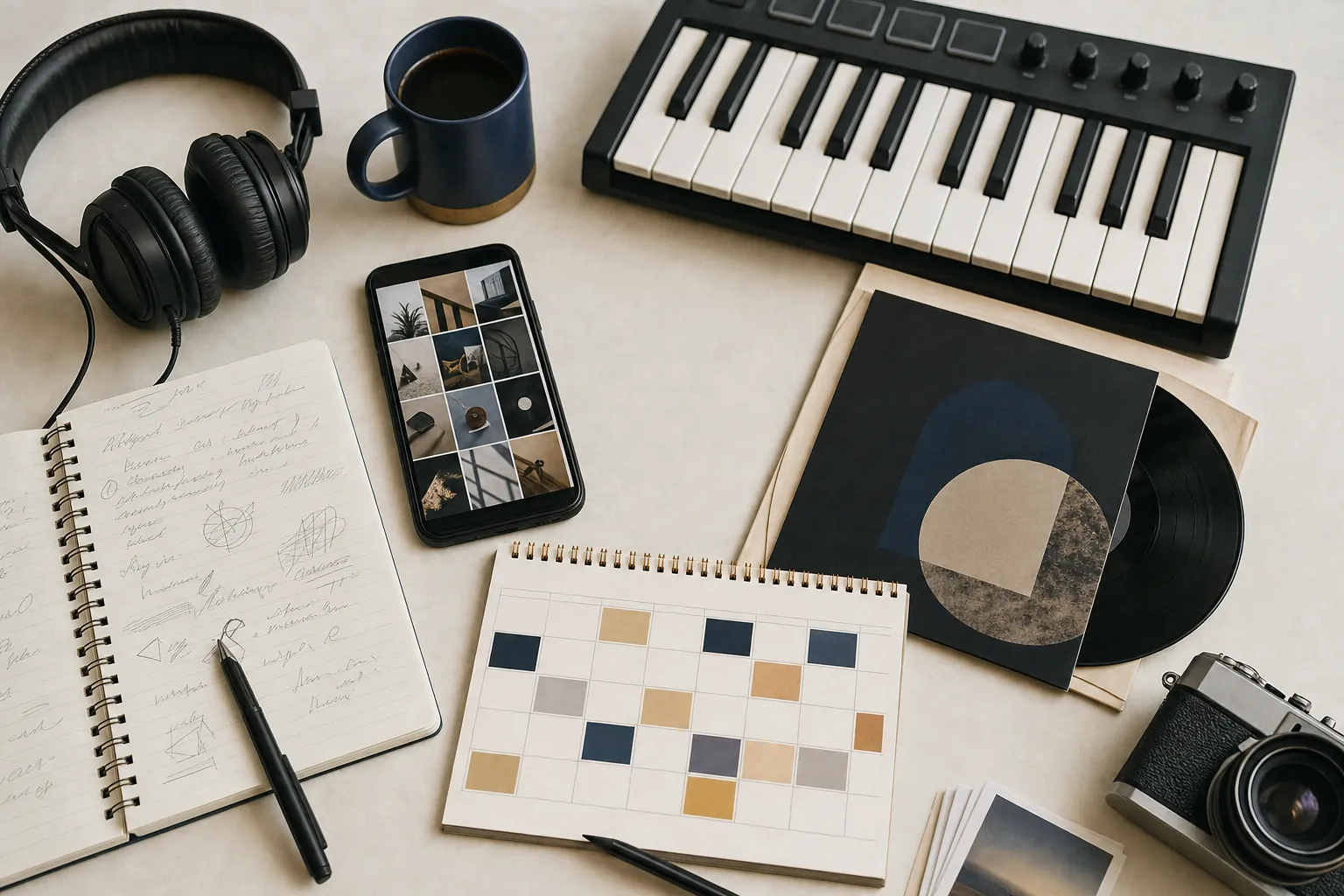
Instagram can help an independent artist give a song more than one moment. It can introduce a stranger to the hook, let a current follower into the story behind it, remind a local fan about a show, and give the people who care a clear route to listen, save, reply, or support the work.
That does not mean posting constantly or treating every release as a performance for an app. The useful question is simpler: what should this post help a listener do next? When an artist answers that before pressing record, Instagram becomes part of a release plan instead of another source of pressure.
This guide shows how to promote music on Instagram with a campaign an independent artist can actually maintain. It is built around a small set of repeatable content angles, a clear release path, and a review process that makes the next song easier to promote.
1. Get the artist profile ready before the campaign starts
A strong post can create interest in seconds. Do not waste that attention by sending people to a profile that makes the artist hard to understand. Before the first teaser, check the profile photo, bio, contact route, link destination, pinned posts, and recent grid. A new listener should be able to tell what the music sounds like, what is happening now, and where to go next.
Keep the bio practical. Name the artist, give a concise sense of the project, and point the link toward the one action that matters most during the campaign. That could be a pre-save, the focus track, a show, a merch drop, or a direct fan list. The destination can change as the campaign moves, but it should not make people solve a menu of equally urgent choices.
Match that work to the places where people will actually listen. Spotify recommends that artists prepare their artist presence and new-release tools before release day, including profile updates and a clear destination for fans. Its release-day preparation guide is a useful companion for the streaming side of the plan. Use So, Indie's distribution and release workflows to keep the release details, campaign timing, and link planning in one view.
Think of the profile as the campaign's reception desk. It does not need to explain everything. It needs to make the next right step easy.
2. Choose one release story, then make several ways into it
A song rarely needs a completely different message every day. It needs one clear human idea that can show up in several forms. That might be the moment that led to the track, the feeling in one lyric, the live energy, the change in your sound, a collaborator's role, or the place where the song belongs.
Write that idea in one sentence before you plan content. For example: “A song for the drive home after you finally say what you mean.” Or: “The first track I made after rebuilding my studio and starting over.” It should be specific enough to feel real, but open enough for listeners to bring their own experience to it.
Then list a few ways to show the same idea: a direct performance, a lyric caption, a studio detail, a voice note about the writing, a collaborator clip, a rehearsal, a fan question, or a post-release reflection. The campaign feels coherent because the centre holds, while each post still offers a fresh reason to care. The music marketing strategies guide can help turn that story into a wider release framework.
Avoid creating content that could belong to any artist. A polished visual is useful, but an identifiable perspective is what gives somebody a reason to remember the music after the scroll.
3. Use Reels to make a clear first impression
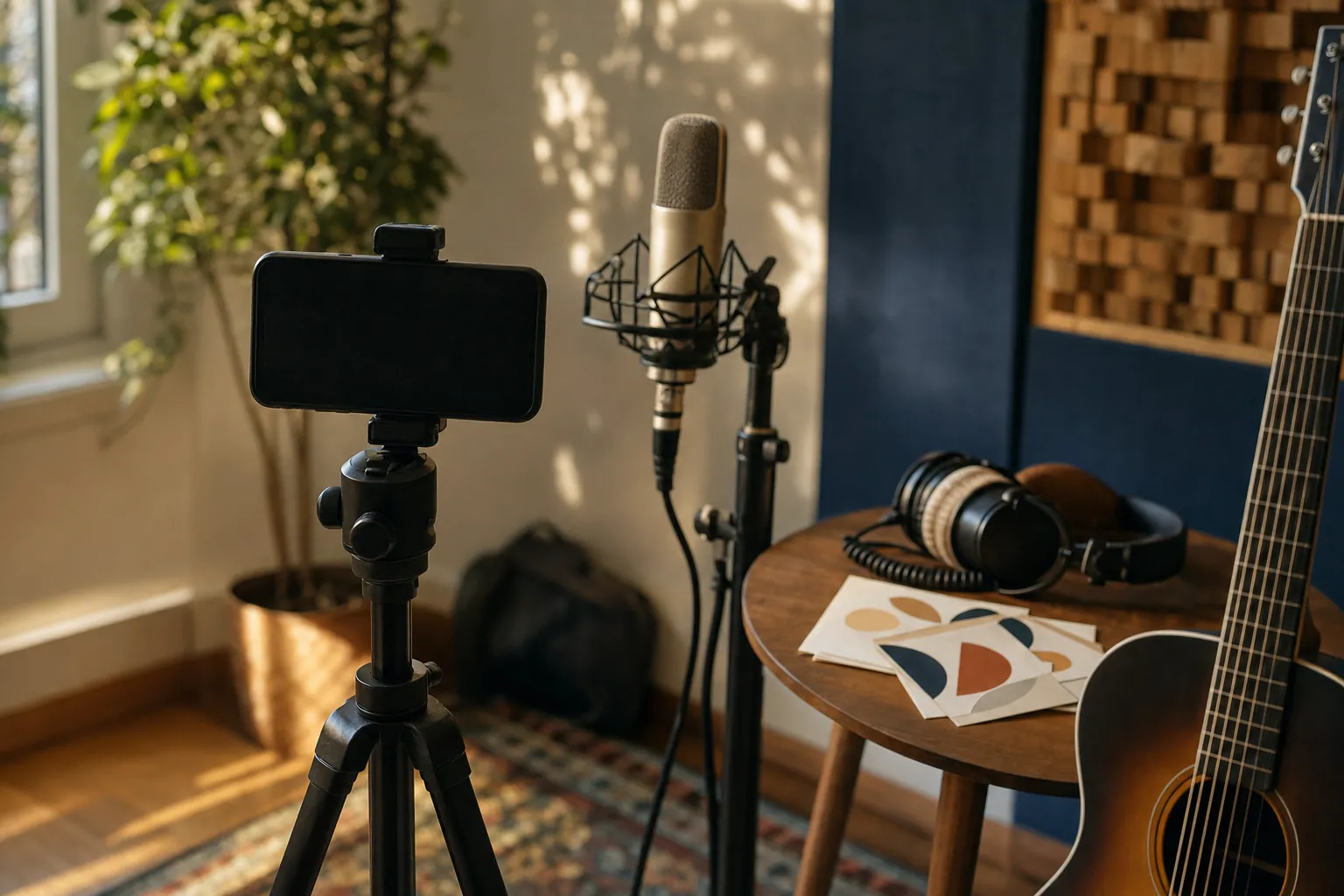
Reels are a short-form video format designed for creative sharing. Instagram's own overview of Reels highlights the tools available for building short videos with audio and effects. For a musician, the format is most useful when the first seconds carry a real musical or emotional reason to stop.
Start with the part of the song that can stand on its own. That could be the chorus, the vocal entrance, the lyric that makes someone lean in, a live performance moment, or the production switch that explains the track's energy. Do not open with a long explanation that makes people wait for the music.
A practical release series might include three to five Reels: one performance-led clip, one that explains the song's story, one with a studio or rehearsal moment, one with a collaborator or visual detail, and one after release that responds to the early fan reaction. You do not need to publish all of them. Prepare the range so you can choose the strongest material as the campaign develops.
Let each Reel have one job. A pre-release clip might invite a follow or a pre-save. A release-day performance might send people to the track. A post-release clip could ask a simple question about the lyric or invite fans to share the song with someone. Multiple asks in one short video make the next step feel less clear, not more valuable.
4. Use Stories to bring existing followers closer
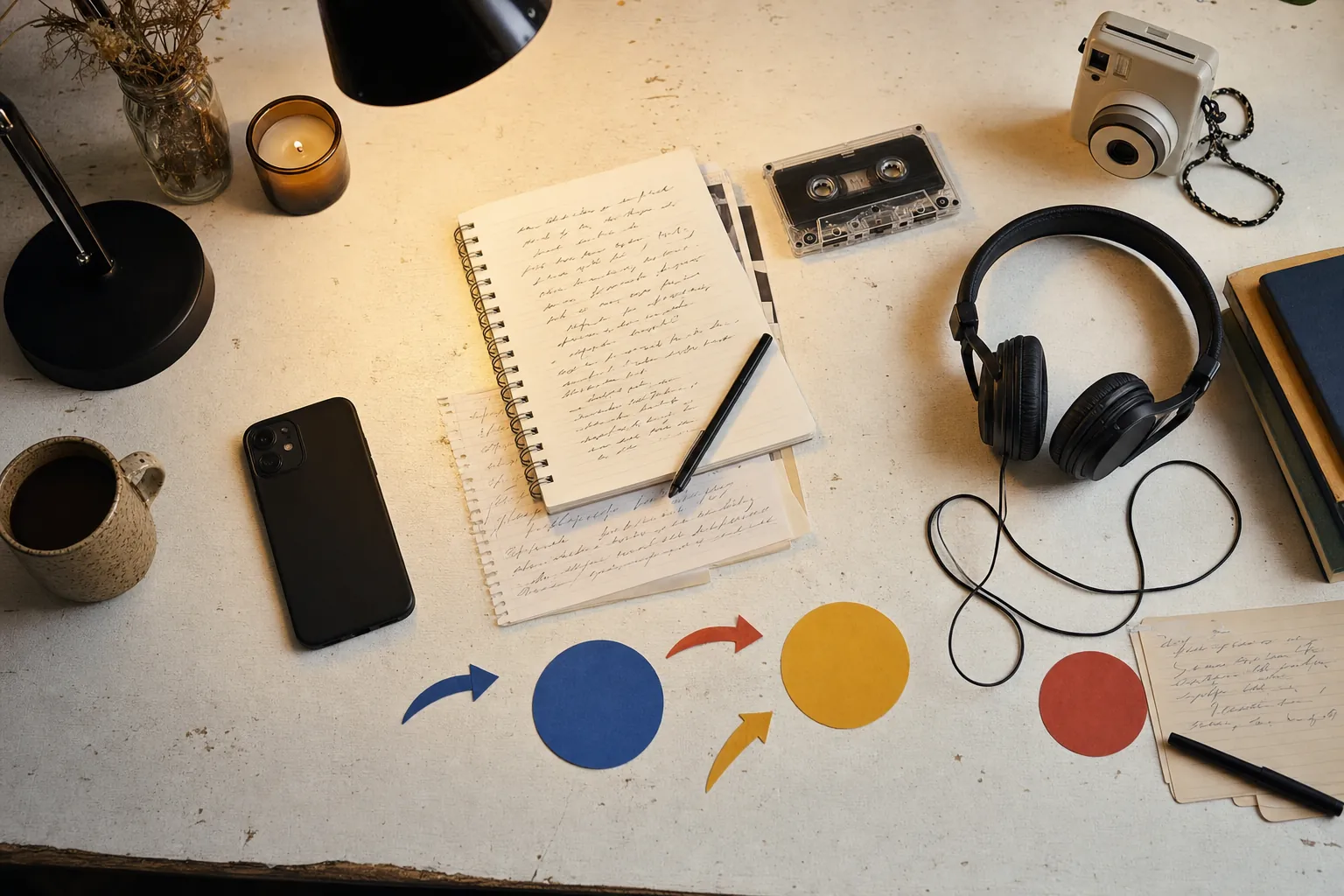
Stories are a useful place for the people who already chose to follow. Treat them as the more immediate side of the campaign: a quick rehearsal clip, a countdown, a lyric thought, a link reminder, a behind-the-scenes moment, or a direct question that makes fans feel included in what is happening.
The point is not to turn every Story into a sales message. Use the format to give the release texture. A short sequence can show the song's origin, the work behind a visual, a rehearsal before a show, or a small decision fans can respond to. The closer someone feels to the work, the easier it is for a later release reminder to feel earned rather than repetitive.
Build Stories around the campaign stage. In the lead-up, show preparation and anticipation. On release day, make the listening path obvious. In the following weeks, bring out the performance, lyric, fan response, show footage, or alternate version that did not fit into the first announcement. Spotify's Promo Cards are one option for creating shareable artist, release, and milestone assets without making every post from scratch.
Keep the conversation useful. Ask questions you genuinely want answered: which lyric landed, which city should hear the live version next, or what the song reminds people of. Replies are more valuable than a vague request for engagement because they teach you how the music is being received.
5. Give every post a destination beyond the feed
A campaign should not end at a view count. Decide what each piece of content is meant to move: a first listen, a save, an artist-profile follow, a reply, an email signup, a ticket visit, or a merch action. New listeners need a low-friction invitation. The people already paying attention can be offered a deeper route.
The right destination depends on the release. A first single may need follows and saves. A tour announcement may need city-level ticket clicks. A limited physical drop may need an obvious product path. A song that is building a real community may be the moment to invite people into a direct fan channel. Do not ask every person to do every thing at once.
Use the same release story across the feed, the link, and the listening destination so the handoff feels natural. The 90-day music marketing plan gives a fuller calendar for that sequence, while So, Indie's fan growth tools help artists keep the direct relationship visible after the first listen.
This is also where an artist can avoid empty “link in bio” habits. Say what the listener will find and why it is worth the click: the full song, a live date, an early merch item, a direct note, or the next chapter of the project.
6. Make the campaign manageable around release week
The cleanest Instagram plan is usually built before release week, not during it. Prepare a small library of clips, stills, captions, and story prompts while the song is still unreleased. That gives you choices when the schedule gets crowded and protects you from trying to invent the entire campaign on the day the track arrives.
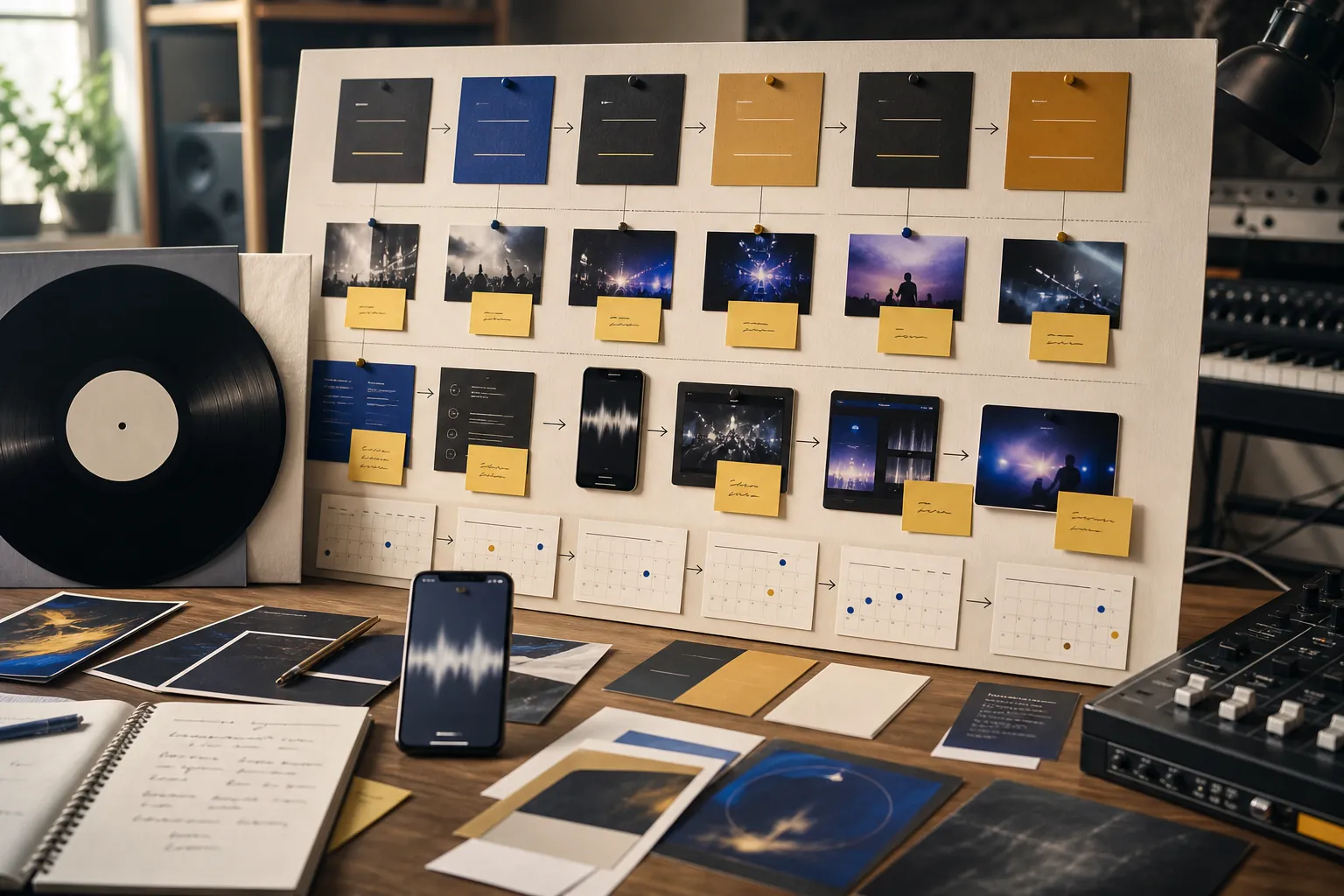
A simple schedule can work like this: use the first week to introduce the song's world, the second to show the making or performance, the third to share a clearer release reminder, and the fourth to keep the song moving with fan reactions, live versions, or a related event. Release day then becomes one important moment in the sequence, not the only moment.
Keep a short creative brief for each post: the story angle, the listener action, the asset needed, and where it sends people. So, Indie's marketing workspace and release operating system are built for that connected work, from planning the creative through to the next decision after the campaign.
If you have a small budget, use it to test a post that already makes sense organically. Paid reach cannot repair an unclear profile, an unfinished link, or a post with no reason to care. Start with the creative that earns a real response, then decide whether it is worth taking further.
7. Review the result so the next post gets smarter

After release week, look beyond the largest visible number. Note which post got the most useful response, which content angle created a real conversation, where people clicked next, and whether the campaign helped the goal you chose at the start. A smaller clip that earns saves, replies, or ticket interest can be more valuable than a large view count with no follow-through.
Review the campaign twice: once while the details are still fresh, then again after a few weeks. Record the strongest creative angle, the best action a listener took, the content that did not connect, and one choice to make differently next time. This turns Instagram from a daily pressure into a source of practical evidence.
The full picture matters. A release can create attention on Instagram, but the artist needs to know whether that attention became listening, direct fan activity, merch interest, or a useful money signal. So, Indie connects music marketing tools, release work, fan activity, and royalty visibility so the lesson is not trapped inside one platform.
A simple Instagram music-promotion checklist
- Update the artist profile and the one destination the campaign needs most.
- Write one sentence that explains why the song matters now.
- Prepare several distinct content angles before release week.
- Use Reels for a strong first musical or emotional impression.
- Use Stories to give existing followers a closer, more immediate view.
- Give each post one realistic next action.
- Keep the release moving after day one with new entry points.
- Review the creative, the listener action, and the business result before the next release.
How So, Indie helps
So, Indie gives independent artists a connected way to run the work around a release. Instead of treating Instagram content, distribution, campaign planning, fan activity, merch, and royalties as separate chores, it keeps the moving pieces close enough to make better decisions.
Use this guide to shape the Instagram side of the campaign, then use So, Indie to connect it to the release plan and the next move. Artists can explore the music marketing tools, compare the available plans, or start a free trial when they are ready to put the system to work.
Frequently asked questions
How often should I post about my music on Instagram?
Post at a rhythm you can sustain without repeating the same message. For a release, prepare several angles in advance and use the strongest ones across the lead-up, release week, and follow-through. A clear series is more useful than a burst of rushed posts.
What should musicians post on Instagram?
Useful music posts give people a reason to stop: a performance moment, lyric, song story, studio detail, collaborator perspective, fan prompt, live clip, or a clear release update. Let each post do one job and lead to one realistic next step.
Should I use Reels or Stories to promote music?
Use Reels to give new listeners a concise first impression and Stories to keep existing followers close to the release. The formats work best together when they share the same campaign idea but ask for different actions.
How do I turn Instagram followers into music fans?
Make the next action obvious. Depending on the message, invite a listener to save a track, follow the artist profile, reply to a question, join a direct fan channel, visit a show, or explore merch. Attention becomes more useful when it has a clear destination.